
“Electric Vehicles Explained (2026)“ Benefits, Costs, and Future Trends”
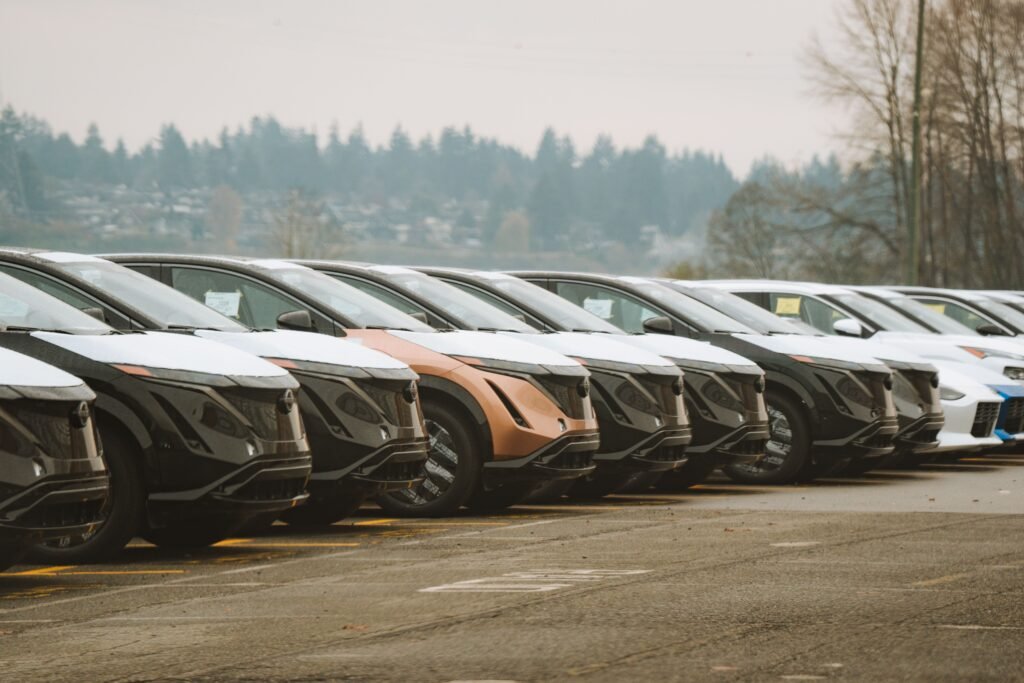
Electric vehicles (EVs) are no longer a futuristic concept—they are rapidly becoming a central part of global transportation. By 2026, EVs have moved from niche products to mainstream solutions, driven by technological innovation, environmental concerns, and shifting economics. But understanding EVs requires more than just knowing they run on electricity. This article explores how EVs work, their real benefits and costs, and what the future holds—with deep explanations and real-world insights.
“Electric Vehicles Explained“ Benefits, Costs, and Future Trends”
1. What Are Electric Vehicles?
An electric vehicle (EV) is a car powered by electricity instead of gasoline or diesel. Unlike traditional internal combustion engine (ICE) vehicles, EVs use:
- A battery pack (usually lithium-ion)
- An electric motor
- A controller system
How EVs Work (Simple Explanation)
When you press the accelerator:
- Electricity flows from the battery
- The motor converts electrical energy into motion
- The wheels turn—without combustion
This makes EVs:
- Quieter
- More efficient
- Mechanically simpler
2. Types of Electric Vehicles
Understanding EV categories helps clarify their real-world use:
A. Battery Electric Vehicles (BEVs)
- Fully electric (no fuel engine)
- Example: Tesla Model 3
- Zero emissions
B. Plug-in Hybrid Electric Vehicles (PHEVs)
- Combine battery + fuel engine
- Can run on electricity for short distances
C. Hybrid Electric Vehicles (HEVs)
- Use electricity + fuel but cannot be plugged in
👉 In 2026, BEVs dominate growth as governments push toward fully electric transport.
3. Key Benefits of Electric Vehicles
A. Environmental Impact
One of the biggest reasons EV adoption is rising is environmental benefit.
- EVs produce zero tailpipe emissions
- Reduce air pollution in cities
- Lower lifetime CO₂ emissions by up to 58% compared to petrol cars (The Electric Car Scheme)
Real Example:
A single EV can save around 1.5 tonnes of CO₂ per year (The Electric Car Scheme)—equivalent to planting dozens of trees annually.
B. Lower Running Costs
EVs are cheaper to operate over time.
- Electricity is cheaper than fuel
- Maintenance costs are up to 50% lower (The Electric Car Scheme)
- Fewer moving parts = fewer breakdowns
Recent data shows:
- Charging an EV can cost less per mile than petrol (The Times)
Real Example:
Charging at home for 200 miles may cost only a fraction of petrol expenses, especially in regions with high fuel prices.
C. High Efficiency and Performance
EVs convert energy more efficiently than fuel cars.
- Instant torque = faster acceleration
- Smooth and quiet driving
- No gear shifting
Real Example:
Modern EVs can accelerate from 0–100 km/h faster than many sports cars.
D. Convenience
- Charge at home overnight
- No visits to fuel stations
- Mobile apps monitor battery, charging, and performance
E. Government Incentives
Many countries offer:
- Tax reductions
- Purchase subsidies
- Free parking or toll benefits
These incentives significantly reduce total ownership cost.
4. Costs of Electric Vehicles (Realistic View)
EVs are not perfect. Understanding costs is critical.
A. High Initial Purchase Price
Although prices are falling, EVs can still be expensive upfront.
However:
- Prices are rapidly declining
- In some markets, EVs are now cheaper than petrol cars on average (TechRadar)
B. Battery Costs and Replacement
The battery is the most expensive component.
- Replacement can be costly
- Lifespan: typically 8–15 years
But:
- Battery prices have dropped significantly over the past decade
- Most users never need replacement during ownership
C. Charging Infrastructure Limitations
A major challenge is charging availability.
- Urban areas: good coverage
- Rural areas: limited stations
This leads to “range anxiety”—fear of running out of charge.
D. Charging Time
Compared to petrol refueling (minutes), EV charging takes longer:
- Slow charging: several hours
- Fast charging: 20–40 minutes
However, new technologies are improving this rapidly.
E. Insurance and Repair Costs
Some reports suggest:
- EV repair costs can be higher
- Insurance premiums may be higher due to battery complexity
5. Real-World Cost Comparison
Let’s compare EV vs petrol car ownership:
| Factor | Electric Vehicle | Petrol Vehicle |
|---|---|---|
| Fuel/Energy | Lower | Higher |
| Maintenance | Lower | Higher |
| Purchase price | Higher (declining) | Moderate |
| Emissions | Very low | High |
| Lifetime cost | Often lower | Higher |
👉 Over time, EVs often have a lower total cost of ownership (IEA)
6. Latest Trends in 2026
A. Rapid Market Growth
- Over 20 million EVs sold globally in 2025 (Recharged)
- EVs are moving into mainstream adoption
B. Falling Prices
- Increased competition and production scale
- Growth of used EV market lowering entry cost (The Verge)
C. Charging Becoming Cheaper
- Electricity often cheaper than fuel
- Improved infrastructure and pricing models
D. Technological Breakthroughs
New EV innovations include:
- Ultra-fast charging (up to 600kW in testing) (T3)
- Longer battery range (300+ miles common)
- Improved safety and efficiency
E. Shift Toward Electrification
Global energy trends show:
- Electricity share of energy consumption rising
- Transport electrification accelerating worldwide (McKinsey & Company)
F. Policy and Government Push
- Many countries plan to ban petrol/diesel cars by 2030–2040
- EV adoption supported by regulations and incentives
7. Challenges Facing EVs
Despite progress, EV adoption still faces obstacles:
1. Infrastructure gaps
2. High upfront costs (in some regions)
3. Battery supply chain issues
4. Consumer awareness and trust
8. Future of Electric Vehicles (Beyond 2026)
A. Solid-State Batteries
- Safer
- Faster charging
- Higher energy density
B. Vehicle-to-Grid (V2G)
EVs may soon:
- Store electricity
- Send power back to the grid
This could stabilize energy systems and reduce costs.
C. Autonomous Electric Cars
EVs are expected to integrate with:
- Self-driving technology
- AI-based navigation systems
D. Mass Adoption
Research suggests EV adoption could grow exponentially, with many regions transitioning faster than expected.
E. Integration with Renewable Energy
EVs will play a key role in:
- Solar energy storage
- Smart grid systems
9. Real-Life Example: Why People Are Switching
Today’s EV buyers are motivated by:
- Saving money on fuel
- Environmental responsibility
- Better driving experience
In many regions, rising fuel prices are accelerating this shift, pushing consumers toward electric mobility.
10. Final Conclusion
Electric vehicles in 2026 represent a turning point in transportation history. They are no longer just eco-friendly alternatives—they are becoming economically practical, technologically advanced, and widely accessible.
Key Takeaways:
- EVs offer lower running costs and reduced emissions
- Initial costs are falling rapidly
- Technology is improving at a fast pace
- The future of transport is clearly electric
However, challenges like charging infrastructure and upfront cost still need to be addressed for global adoption.
Final Thought
The shift to electric vehicles is not just a trend—it is a global transformation. As technology evolves and costs continue to decline, EVs are set to dominate the roads in the coming decade