
Best Free SEO Tools for New Bloggers in 2026 That Actually Save Time and Money
Looking for the best Free Blogging Tools for Beginners in 2026? Starting a blog used to feel expensive.
Actually Save Time and Money
You needed hosting, premium themes, keyword tools, graphic design software, email platforms, social media schedulers, and SEO plugins before publishing your first serious article. For beginners, the costs stacked up fast—often before earning a single dollar.
Best Free Tools for New Bloggers in 2026
Free Blogging Tools for Beginners are making it easier than ever to start and grow a blog without a large budget. Starting a blog used to feel expensive.
You needed hosting, premium themes, keyword tools, graphic design software, email platforms, social media schedulers, and SEO plugins before publishing your first serious article. For beginners, the costs stacked up fast—often before earning a single dollar.
But the blogging landscape has changed.
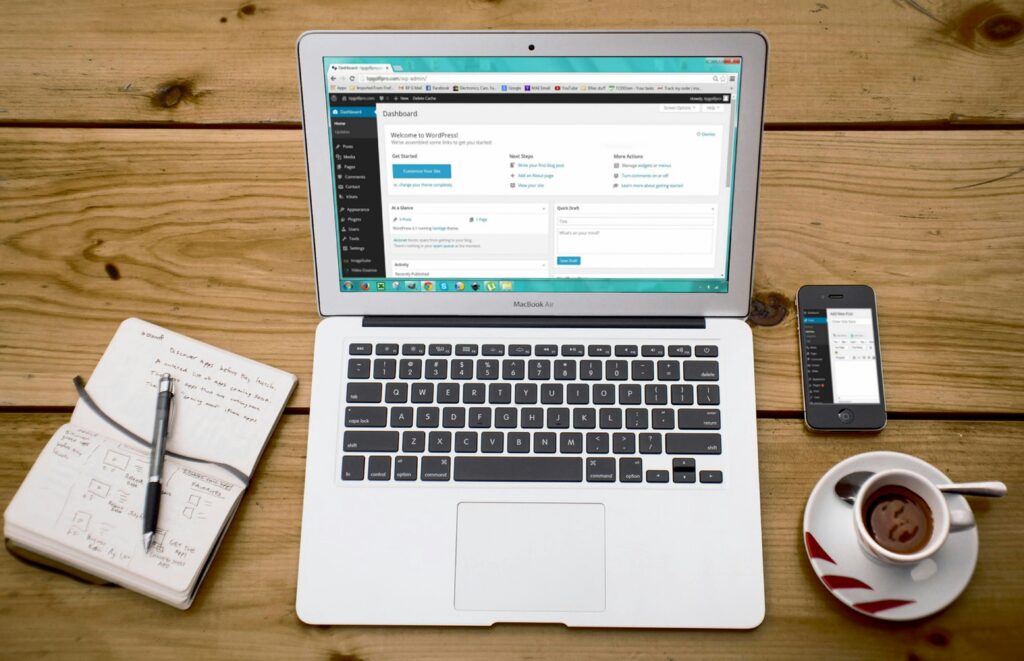
The challenge is no longer finding tools. It’s choosing the right ones without wasting time on complicated software you don’t actually need.
Many beginners fall into the “tool trap” — downloading dozens of apps instead of focusing on writing and publishing.
The truth is simple: successful blogs are built through consistency and useful content, not expensive dashboards.
This guide breaks down the best free tools for new bloggers in 2026, including practical insights on which tools are genuinely useful, which ones are overrated, and how beginners can avoid wasting time while building momentum.
Google Docs – Best Free Writing Tool for Bloggers
It’s easy to overlook Google Docs because it feels basic.
But many professional bloggers still use it daily for one reason: it removes friction.
Fancy writing software often becomes a distraction. Google Docs loads quickly, auto-saves instantly, works across devices, and makes drafting articles simple.
For new bloggers, simplicity matters more than advanced features.
What makes Google Docs especially useful.
- Cloud-based access from anywhere
- Easy collaboration
- Reliable Autosave
- Clean formatting
- Voice typing for faster drafting
One underrated blogging habit is separating writing from publishing. Drafting articles in Google Docs instead of directly inside Word-Press helps writers focus on ideas rather than formatting.
That small shift improves productivity more than most beginners realize.
Canva – Easy Design Tool for Blog Graphics

New bloggers often underestimate how important visuals are.
You don’t need cinematic graphics, but you do need:
- Blog banners
- Pinterest pins
- Social media graphics
- Featured images
- Simple info-graphics
That’s where Canva dominates.
Its free version is more than enough for beginners.
Unlike traditional design software, Canva doesn’t require a steep learning curve. You can create professional-looking blog graphics in minutes using templates.
The biggest mistake beginners make with Canva is overdesigning everything.
Simple visuals usually perform better.
Readers care more about clarity than artistic complexity.
Clean typography and readable layouts consistently outperform cluttered graphics loaded with unnecessary effects.
Ubersuggest – A Beginner-Friendly SEO Tool
SEO tools can become overwhelming fast.
Many premium platforms are powerful but unnecessarily complicated for new bloggers.
Ubersuggest offers a simpler starting point.
The free version helps beginners:
- Discover keyword ideas
- Estimate traffic
- Analyze competition
- Find content opportunities
Here’s an important insight most SEO tutorials ignore:
Beginners should not chase high-volume keywords immediately.
Instead, target:
- Specific search intent
- Long-tail phrases
- Low-competition topics
For example, instead of:
- “weight loss”
Try:
- “best morning habits for weight loss after 40”
Smaller keywords often bring more targeted readers — and targeted readers convert better.
Grammarly – Useful, But Don’t Depend on It Completely
Grammarly helps clean up grammar mistakes and awkward sentences quickly.
For beginners, it’s extremely useful.
But many writers become too dependent on automated corrections.
Good blogging is not just about grammatical perfection. It’s about rhythm, clarity, personality, and flow.
Sometimes slightly imperfect writing sounds more human.
That’s especially important now because readers are becoming increasingly sensitive to robotic-sounding content.
Use Grammarly as an Editor — not as your voice.
The strongest blogs still sound like real people talking to real people.
Notion — Best Free Organization Tool
Most blogging failures aren’t caused by bad writing.
They’re caused by inconsistency.
Writers lose track of:
- Article ideas
- Publishing schedules
- Affiliate links
- SEO plans
- Research notes
That’s where Notion becomes incredibly valuable.
Instead of juggling random notes across multiple apps, bloggers can organize everything in one place.
Simple systems work best.
A beginner blogger only needs:
- Content calendar
- Keyword tracker
- Draft database
- Goal tracker
Complex productivity systems often become procrastination disguised as planning.
Focus on publishing, not endlessly organizing.
Google Search Console — Most Underrated Blogging Tool
Most beginners install analytics but ignore Google Search Console.
That’s a mistake.
Search Console reveals:
- Which keywords bring traffic
- Which pages rank on Google
- Click-through rates
- Technical indexing issues
This data becomes incredibly valuable over time.
One of the smartest blogging strategies is improving existing articles instead of constantly writing new ones.
For example:
If an article ranks on page two of Google, updating and expanding it can produce faster results than creating ten new posts.
Many successful bloggers grow traffic primarily through optimization, not endless publishing.
Search Console helps identify those opportunities.
And it’s completely free.
Chat-GPT – Best Used for Research, Not Replacement Writing
AI tools are everywhere now.
Used poorly, they create generic content that blends into the internet’s growing pile of repetitive articles.
Used intelligently, they can improve workflow significantly.
New bloggers should avoid using AI to fully write articles.
Instead, use it for:
- Brainstorming headlines
- Organizing outlines
- Research assistance
- Topic clustering
- Content ideas
- FAQ generation
The blogs standing out in 2026 are the ones adding human insight, personal experience, and original thinking.
Readers can tolerate AI assistance.
What they don’t tolerate is empty content.
Your perspective is still the most valuable asset you have.
Unsplash and Pexels — Free Images Without Looking Cheap
Stock photography has a reputation problem.
Generic business handshake photos instantly make blogs feel low quality.
But platforms like Unsplash and Pexels offer modern, high-resolution images that look significantly more natural.
The key is choosing images strategically.
Avoid:
- Overly staged visuals
- Corporate clichés
- Random unrelated photos
Instead:
- Use visuals that support the article topic
- Prioritize simplicity
- Keep branding consistent
Good images improve readability more than most people realize.
They create breathing space inside long-form content.
Word Press — Still the Best Blogging Platform for Growth
Many new creators start on platforms that feel easier initially.
But long-term growth often becomes limited.
Word Press remains the strongest blogging platform because it offers:
- Full ownership
- SEO flexibility
- Monetization freedom
- Plugin ecosystem
- Scalability
Yes, there’s a learning curve.
But investing time into Word Press early saves massive headaches later.
The mistake beginners make is obsessing over design before publishing enough content.
Traffic matters more than perfect aesthetics.
A simple fast-loading blog will outperform a beautiful empty website every time.
Mailer Lite — The Best Free Email Tool for Beginners
Email lists are still one of the most valuable blogging assets.
Algorithms change constantly.
An email list gives creators direct access to readers without depending entirely on search engines or social media platforms.
Mailer Lite’s free plan is ideal for beginners because it includes:
- Landing Pages
- Automation
- Email Campaigns
- Signup Forms
The biggest mistake bloggers make with email marketing is waiting too long to start.
Even small blogs should build an email list early.
A list of 500 loyal subscribers is often more valuable than thousands of random social media followers.
The Real Secret Most Blogging Tool Lists Ignore
Tools matter far less than consistency.
Many new bloggers spend weeks researching software instead of writing articles.
That’s usually fear disguised as preparation.
The uncomfortable truth is this:
Your first articles probably won’t be amazing.
Neither were most successful bloggers’ first articles.
Skill develops through repetition.
The bloggers who eventually succeed are rarely the most talented at the beginning. They’re usually the ones who keep publishing while others quit too early.
Free tools can absolutely help.
But they only matter if they support action instead of replacing it.
Final Thoughts
New bloggers don’t need expensive software stacks to build successful websites anymore.
In fact, too many tools often slow progress.
A simple setup is usually enough:
- Google Docs for writing
- Canva for visuals
- Word-Press for publishing
- Search Console for SEO
- Notion for organization
- Mailer-Lite for email growth
That combination can support a real blogging business without major upfront costs.
The internet doesn’t need more generic content created with expensive tools.
It needs more useful perspectives, practical experiences, and clear communication.
That’s what readers remember.
And ultimately, that’s what builds successful blogs.
FAQs
Q: Can I start a blog with free tools only?
Yes, you can start and grow a blog using only free tools like WordPress, Canva, and Google Search Console.
Q: What is the most important tool for blogging?
Content creation and consistency matter more than tools, but WordPress + Search Console are essential.