
DSLR vs Mirrorless. 11 Real Differences Every Photographer Should Know
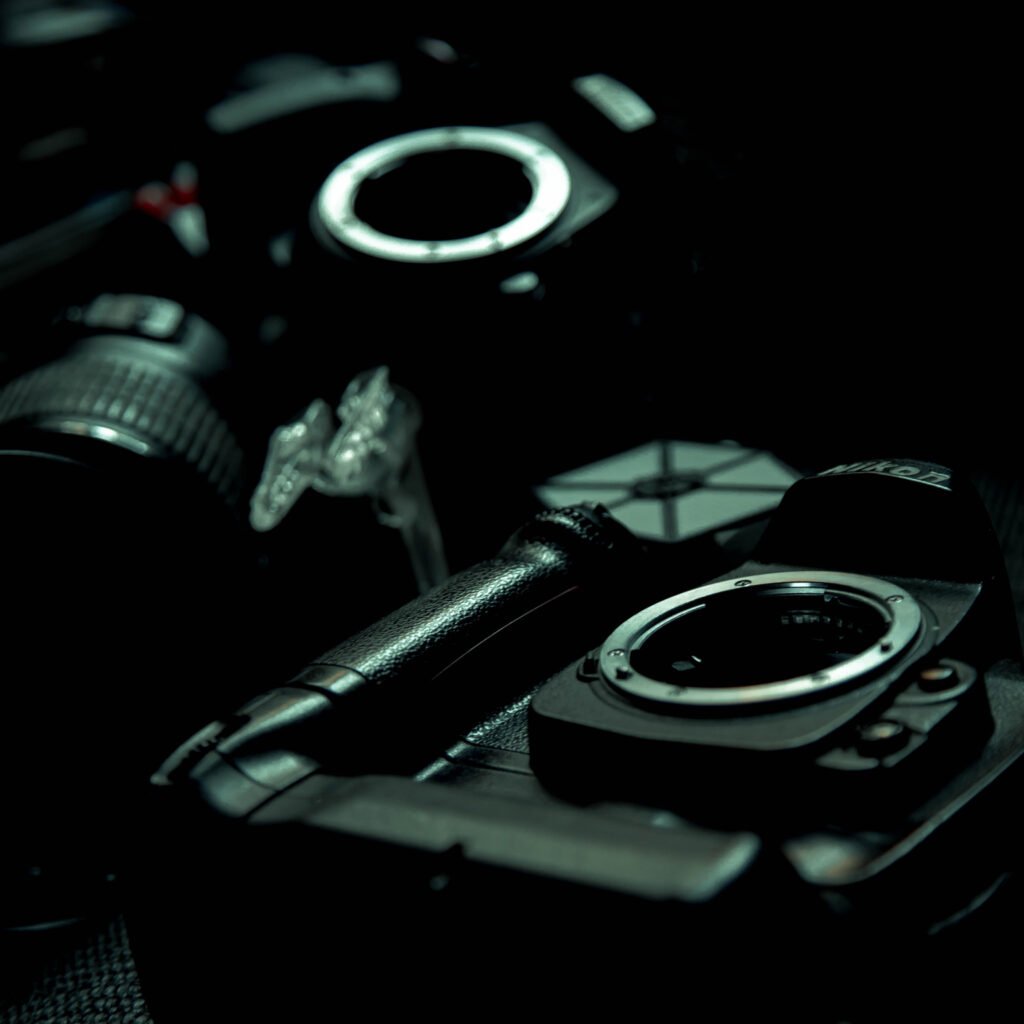
DSLR vs Mirrorless. What’s the Real Difference?
Choosing a camera has never been more challenging. With technology advancing rapidly, photographers today often find themselves comparing two major camera systems: DSLR and mirrorless cameras. Whether you’re a beginner looking for your first camera or an experienced photographer considering an upgrade, understanding the real differences between these two technologies is essential.
One of the most common questions buyers ask is: DSLR vs Mirrorless: What’s the Real Difference? The answer depends on how you plan to use your camera, your budget, and the features that matter most to you.
In this guide, we’ll compare DSLR and mirrorless cameras across multiple categories, including image quality, autofocus, battery life, portability, video performance, and overall value.
Table of Contents
What Is a DSLR Camera?
DSLR stands for Digital Single-Lens Reflex. These cameras use a mirror mechanism that reflects light from the lens into an optical viewfinder.
When you press the shutter button:
- The mirror flips upward
- Light reaches the sensor
- The image is captured
Popular DSLR models include:
- Canon EOS 90D
- Nikon D850
- Canon Rebel Series
- Nikon D7500
For decades, DSLRs have been the preferred choice of professional photographers.
What Is a Mirrorless Camera?
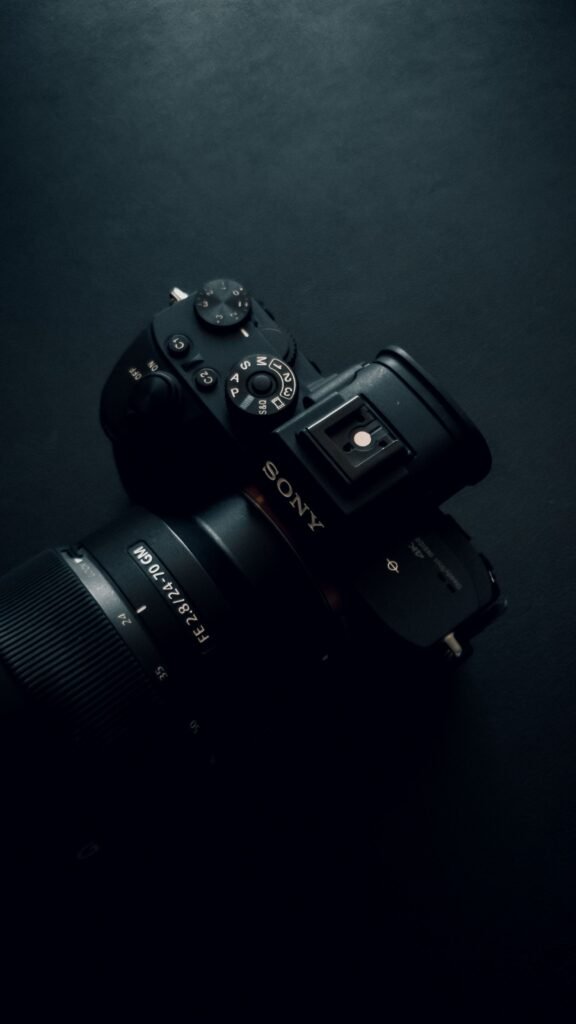
Mirrorless cameras eliminate the mirror system entirely.
Instead of an optical viewfinder, they use:
- Electronic Viewfinders (EVF)
- LCD Screens
- Digital image previews
Popular mirrorless models include:
- Sony A7 IV
- Canon EOS R6 Mark II
- Nikon Z6 II
- Fujifilm X-T5
Mirrorless technology has become increasingly popular because of its compact design and advanced features.
DSLR vs Mirrorless: What’s the Real Difference in Design?
The biggest difference is the internal mechanism.
DSLR Design
DSLR cameras contain:
- Mirror assembly
- Optical viewfinder
- Larger body
Advantages:
- Traditional shooting experience
- No viewfinder lag
- Longer battery life
Mirrorless Design
Mirrorless cameras feature:
- No moving mirror
- Electronic viewfinder
- Smaller body
Advantages:
- Lightweight
- More compact
- Fewer moving parts
For travelers and content creators, portability is often a major benefit.
DSLR vs Mirrorless. What’s the Real Difference in Image Quality?
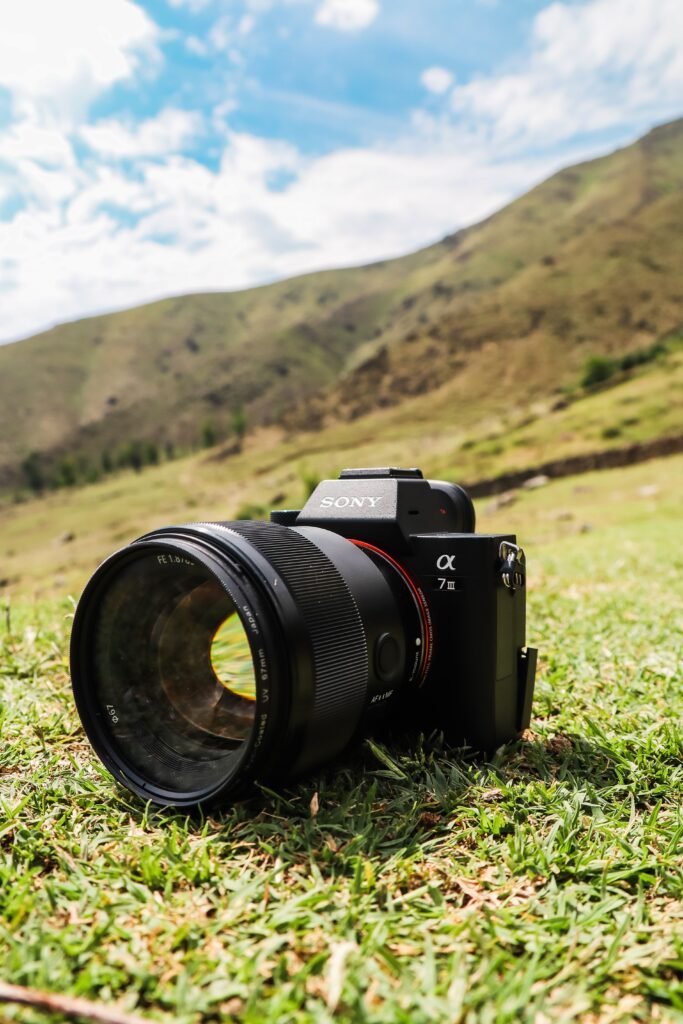
Many buyers assume mirrorless cameras automatically produce better images.
The truth is more nuanced.
Sensor Quality Matters Most
Image quality depends primarily on:
- Sensor size
- Lens quality
- Image processor
- Photographer skill
A modern DSLR and mirrorless camera with similar sensor specifications can produce nearly identical image quality.
Winner: Tie
For still photography, image quality is largely determined by sensor technology rather than camera type.
DSLR vs Mirrorless: What’s the Real Difference in Autofocus?
Autofocus is one area where mirrorless cameras have made tremendous progress.
DSLR Autofocus
Traditional DSLRs use phase-detection autofocus systems.
Benefits include:
- Fast focusing
- Reliable subject tracking
- Proven technology
Mirrorless Autofocus
Modern mirrorless systems offer:
- Eye detection autofocus
- Face tracking
- Animal tracking
- AI-powered subject recognition
These features make mirrorless cameras extremely effective for sports, wildlife, and portrait photography.
Winner: Mirrorless
Most modern mirrorless cameras now outperform DSLRs in autofocus accuracy.
Battery Life Differences
Battery performance remains one of the biggest DSLR advantages.
DSLR Battery Life
Because optical viewfinders require minimal power:
- 800–2000+ shots per charge are common
Mirrorless Battery Life
Electronic displays consume more energy.
Most mirrorless cameras deliver:
- 300–800 shots per charge
Manufacturers continue improving battery technology, but DSLRs generally maintain the advantage.
Winner: DSLR
For extended shooting sessions, DSLRs still lead in battery endurance.
DSLR vs Mirrorless. What’s the Real Difference in Size and Portability?
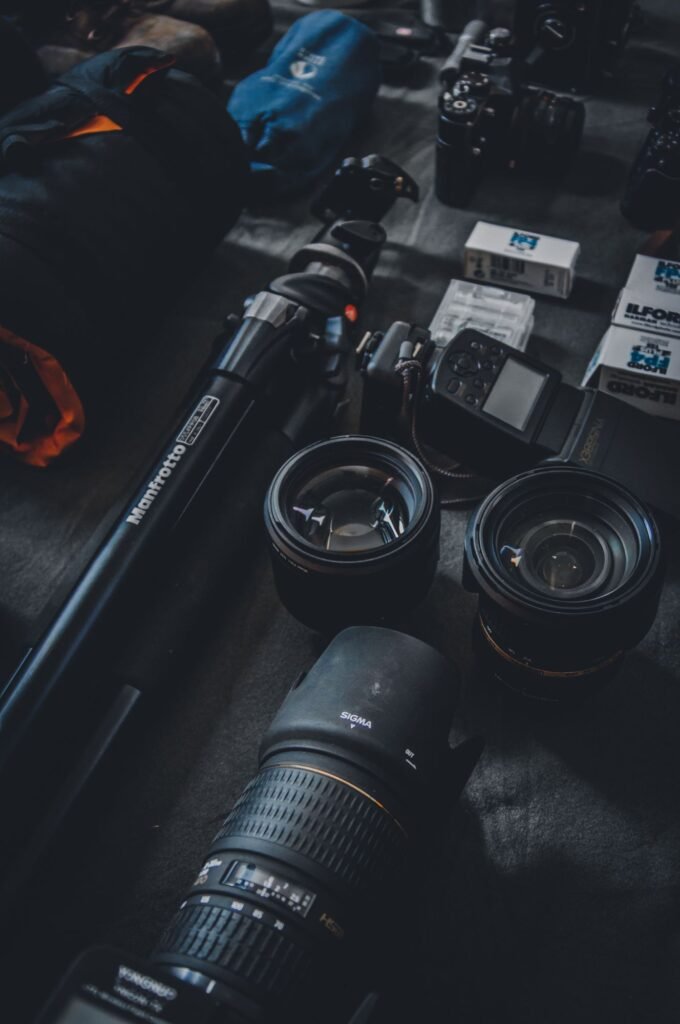
Travel photographers often prioritize weight and size.
DSLR Advantages
- Better balance with large lenses
- Comfortable handling
Mirrorless Advantages
- Smaller camera body
- Reduced travel weight
- Easier storage
A complete mirrorless setup may save significant space in your camera bag.
Winner: Mirrorless
Portability remains one of the strongest reasons photographers switch to mirrorless systems.
Video Performance Comparison
Video creators increasingly choose mirrorless cameras.
DSLR Video Features
Older DSLR models often have:
- Basic autofocus during video
- Limited video tools
Mirrorless Video Features
Modern mirrorless cameras offer:
- 4K video
- 6K video
- 8K video options
- Advanced stabilization
- Real-time subject tracking
For YouTube creators, vloggers, and filmmakers, mirrorless cameras typically provide more advanced video capabilities.
Winner. Mirrorless
Video performance strongly favors mirrorless technology.
Lens Selection and Compatibility
Lens availability is an important consideration.
DSLR Lens Ecosystem
Benefits include:
- Large used market
- Decades of lens development
- Lower-cost options
Mirrorless Lens Ecosystem
Benefits include:
- Newer optical designs
- Improved sharpness
- Growing selection
Many manufacturers also offer adapters that allow DSLR lenses to work on mirrorless bodies.
Winner: Tie
Both systems now offer excellent lens choices.
DSLR vs Mirrorless. What’s the Real Difference in Cost?
Budget often influences purchasing decisions.
Entry-Level DSLR Pricing
DSLRs frequently offer:
- Lower purchase prices
- Affordable used equipment
- Budget-friendly lenses
Mirrorless Pricing
Mirrorless systems often cost more initially because they incorporate newer technology.
However, competition is reducing the price gap.
Winner: DSLR
Budget-conscious beginners often find better value in DSLR systems.
Which Camera Is Better for Beginners?
Many first-time buyers wonder whether they should start with DSLR or mirrorless.
Choose a DSLR If:
- You want longer battery life
- You’re on a tight budget
- You prefer an optical viewfinder
Choose a Mirrorless Camera If:
- You want cutting-edge technology
- You shoot video frequently
- Portability matters
- You plan to invest in a future-focused system
For most new buyers today, mirrorless cameras represent the direction of the industry.
DSLR vs Mirrorless. What’s the Real Difference for Professional Photographers?
Professionals increasingly adopt mirrorless systems because of:
- Superior autofocus
- Silent shooting
- Advanced video tools
- Real-time exposure preview
However, many professionals continue using DSLRs successfully, especially for sports, weddings, and studio work.
The best camera remains the one that fits your workflow and shooting style.
Final Verdict. DSLR vs Mirrorless. What’s the Real Difference?
The real difference between DSLR and mirrorless cameras comes down to technology, convenience, and intended use.
If you value battery life, affordability, and a traditional shooting experience, a DSLR remains a fantastic choice.
If you prioritize advanced autofocus, superior video features, portability, and future-proof technology, mirrorless cameras are likely the better investment.
For most buyers entering the market today, mirrorless systems offer the strongest long-term advantages. However, DSLRs continue delivering excellent image quality and value, making them a smart choice for many photographers.
Ultimately, understanding your goals, budget, and photography style will help you select the camera system that best supports your creative journey.
FAQs
DSLR vs Mirrorless: What’s the Real Difference for Beginners?
Mirrorless cameras offer newer technology and easier learning tools, while DSLRs provide longer battery life and lower costs.
Do Mirrorless Cameras Take Better Pictures Than DSLRs?
Not necessarily. Image quality depends more on sensor size, lens quality, and photographer skill than the camera type itself.
Why Are Photographers Switching to Mirrorless Cameras?
Many photographers prefer mirrorless systems because of advanced autofocus, lightweight designs, and superior video features.
Are DSLRs Becoming Obsolete?
Major manufacturers are focusing more on mirrorless development, but DSLRs remain capable tools that continue producing professional-quality results.
Which Is Better for Travel Photography?
Mirrorless cameras are often preferred because they are smaller, lighter, and easier to carry during long trips.