
Village vs City Real Estate. Which Is the Better Investment?
Village vs City Real Estate is one of the most discussed topics among property investors. Understanding the differences between Village vs City Real Estate can help buyers choose the right investment strategy.
10 Key Differences Between Village vs City Real Estate: The Ultimate Investment Guide
Real estate is one of the most valuable investments in the world. Whether you are buying property for your family or investing for future profits, understanding the difference between village and city real estate is essential. Both options have unique advantages and challenges that affect buyers and investors differently.

In this article, we will explore the key differences between village and city real estate, helping you make a smart investment decision.
Property Prices
One of the biggest differences between village and city real estate is the cost.
In villages, land and houses are generally more affordable because population density is lower and demand is limited. Buyers can often purchase larger plots of land at a reasonable price.
In cities, property prices are significantly higher due to increased demand, commercial development, and limited space. Apartments and small residential plots may cost more than large village properties.
Winner for affordability: Village Real Estate.
Investment Potential
City real estate usually offers faster appreciation because urban areas continue to grow with new businesses, infrastructure, and population increases.
Village real estate can also become highly profitable, especially when nearby towns expand or government development projects improve transportation and public facilities. However, growth may take longer.
Winner for quick returns: City Real Estate.
Lifestyle and Environment

Village life offers a peaceful environment with fresh air, less traffic, and lower noise pollution. Many people prefer villages for retirement or a relaxed lifestyle.
Cities provide modern amenities such as shopping malls, hospitals, universities, entertainment centers, and public transportation. However, they often come with heavy traffic and higher living costs.
Best for peaceful living: Village.
Best for convenience: City.
Infrastructure and Facilities
Cities have well-developed infrastructure, including roads, electricity, internet connectivity, schools, and healthcare services. This makes city properties attractive for both residential and commercial purposes.
Villages may have improving infrastructure, but some areas still lack advanced facilities compared to urban centers.
Winner: City Real Estate.
Rental Income Opportunities
City properties usually generate higher rental income because of the demand from students, workers, and businesses.
Village properties may produce rental income through agriculture, warehouses, or tourism, but the market is generally smaller.
Winner: City Real Estate.
Business Opportunities
Commercial properties in cities are ideal for offices, shops, restaurants, and retail businesses due to the large customer base.
Village real estate is more suitable for farming, livestock businesses, resorts, and eco-tourism projects.
The right choice depends on your business goals.
Future Growth
Many villages located near expanding cities are becoming attractive investment locations. As urban development spreads, village land values often increase dramatically.
Smart investors often purchase village land before major development projects begin.
Which Is Better: Village or City Real Estate?
There is no single answer because the best choice depends on your objectives.
Choose village real estate if you want affordable land, a peaceful environment, or long-term investment opportunities.
Choose city real estate if you prefer higher rental income, better infrastructure, and faster property appreciation.
Village vs City Real Estate. Which Is the Better Investment?

Real estate is one of the safest and most profitable investments for building long-term wealth. Whether you are planning to buy land, build a home, or invest in property for future returns, understanding the difference between village and city real estate is extremely important.
Many people wonder whether they should invest in a peaceful village or a fast-growing city. The answer depends on your financial goals, lifestyle preferences, and investment strategy. Both village and city properties have unique advantages and disadvantages.
In this article, we will explore the major differences between village and city real estate, including property prices, infrastructure, rental opportunities, investment potential, and future growth.
What Is Village Real Estate?

Village real estate refers to land, houses, farms, and commercial properties located in rural areas. These locations usually have lower population density and more open space. Village properties are commonly used for residential living, agriculture, livestock farming, or long-term investment.
Because villages often have larger plots of land available, buyers can purchase more property at a lower price compared to urban areas.
What Is City Real Estate?
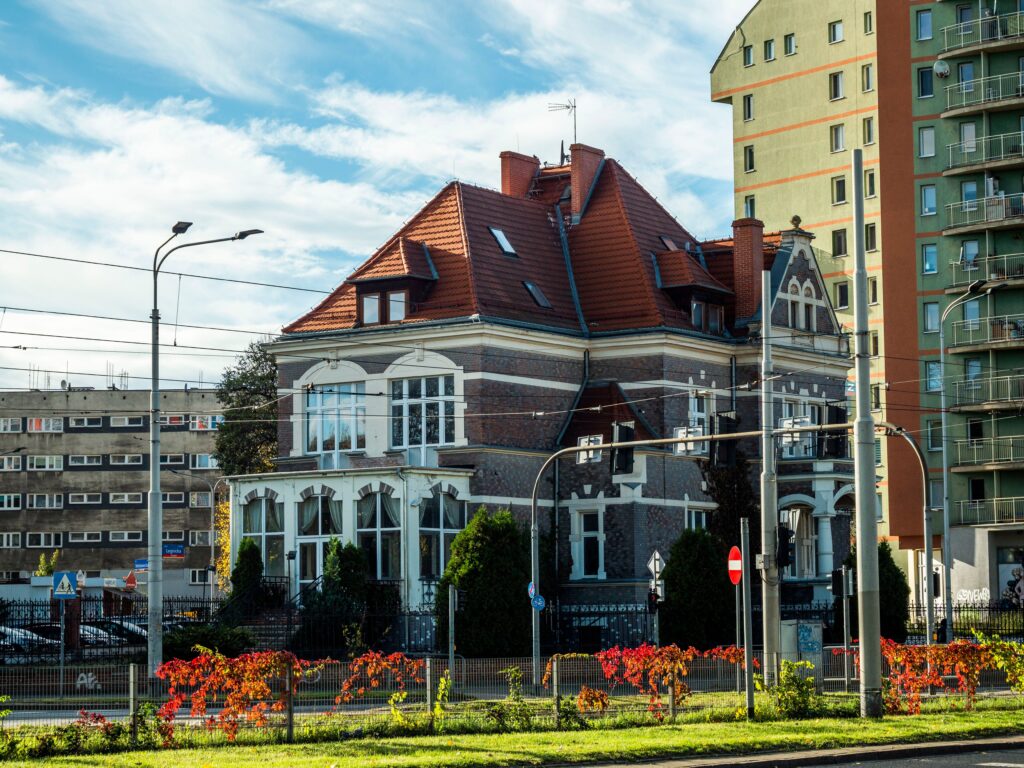
City real estate includes apartments, houses, office buildings, shopping centers, and commercial properties located in urban areas. Cities have a higher population and greater demand for housing and business locations.
Urban properties are usually more expensive because they offer better infrastructure, transportation, educational institutions, healthcare facilities, and business opportunities.
1. Property Prices
The biggest difference between village and city real estate is the cost.
Village properties are generally much cheaper. Buyers can purchase large plots of land for the same price as a small apartment in a city. This affordability makes villages attractive for first-time investors and people with limited budgets.
On the other hand, city properties are significantly more expensive due to high demand and limited land availability. As cities continue to expand, property values often rise rapidly.
Village Advantage:
- Lower purchase price
- Larger land area
- Affordable for new investors
City Advantage:
- Higher property value
- Better market demand
- Faster appreciation
2. Investment Potential
Many investors choose city real estate because urban areas experience constant economic growth. New businesses, shopping centers, schools, and transportation projects increase property demand, resulting in higher returns.
Village real estate can also be an excellent investment, especially if the area is expected to develop in the future. Many successful investors buy land in villages before highways, industrial zones, or housing projects are announced.
Although village investments may require patience, they can generate significant profits over time.
3. Infrastructure and Development
Infrastructure plays a major role in determining property value.
Cities usually offer.
- Modern roads
- Reliable electricity
- High-speed internet
- Hospitals
- Universities
- Shopping malls
- Public transportation
Villages are improving rapidly, but some rural areas still have limited facilities. However, government development programs are helping many villages gain better roads, schools, and utilities.
For people who prioritize convenience and accessibility, city real estate is often the preferred option.
4. Lifestyle Differences
Lifestyle is another important factor when choosing between village and city properties.
Village Lifestyle
Living in a village provides:
- Fresh air
- Less traffic
- Lower noise pollution
- Strong community relationships
- Peaceful surroundings
Many retirees and families prefer village life because it offers a healthier and more relaxed environment.
City Lifestyle
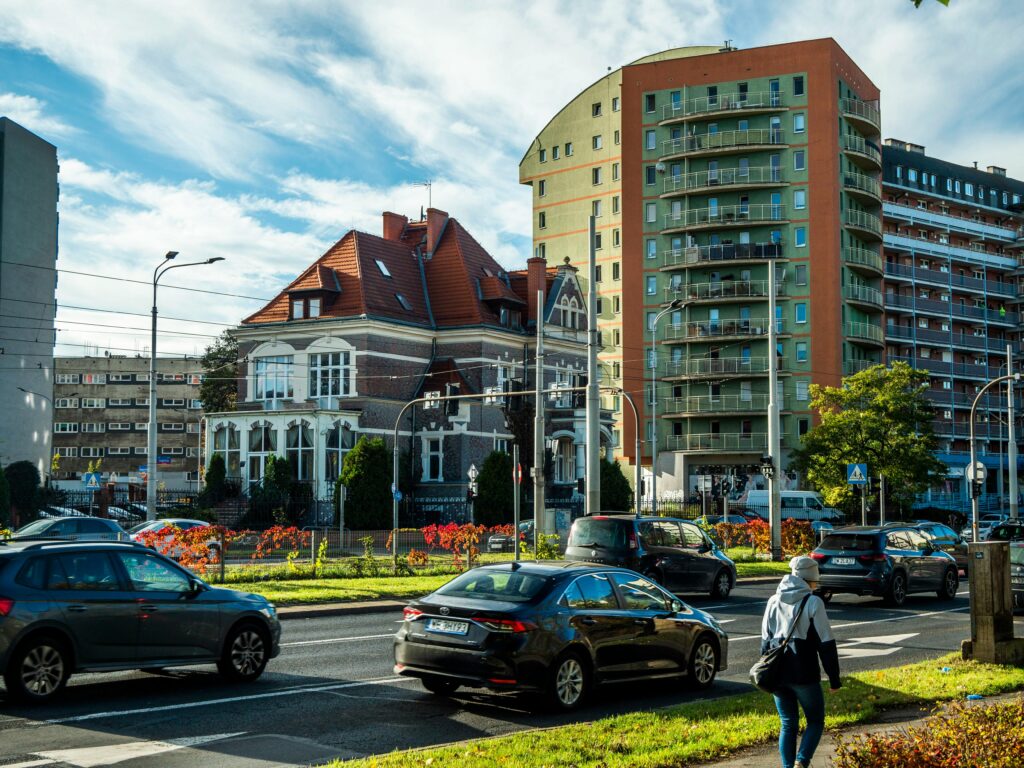
City living offers.
- Better job opportunities
- Entertainment options
- Restaurants and shopping centers
- Modern healthcare
- Educational institutions
However, cities often come with heavy traffic, pollution, and a higher cost of living.
5. Rental Income Opportunities
Rental income is a major consideration for property investors.
City real estate usually provides better rental returns because there is constant demand from students, office workers, and businesses. Apartments and commercial shops can generate steady monthly income.
Village properties may also produce income through:
- Agricultural leasing
- Farmhouses
- Tourism businesses
- Warehouses
- Livestock operations
While city rentals generally provide higher cash flow, village investments may create multiple income streams depending on land usage.
6. Business Opportunities
Commercial real estate performs differently in villages and cities.
Cities are ideal for.
- Retail stores
- Offices
- Restaurants
- Hotels
- Corporate buildings
Villages are suitable for.
- Agriculture
- Poultry farms
- Dairy farming
- Eco-tourism
- Resorts
- Organic farming businesses
Choosing the right location depends on the type of business you plan to establish.
7. Population Growth and Demand
Cities continue to attract people seeking employment, education, and better living standards. This increasing population creates strong demand for residential and commercial properties.
Villages generally grow more slowly. However, villages located near expanding cities often experience rapid increases in land values as urban development spreads outward.
This process, known as urban expansion, has created profitable opportunities for long-term investors.
8. Risk Factors
Every real estate investment carries some risk.
Village Real Estate Risks
- Slower appreciation
- Limited buyers
- Less developed infrastructure
- Lower rental demand
City Real Estate Risks
- High purchase prices
- Greater competition
- Market fluctuations
- Higher maintenance costs
Investors should always research legal documents, future development plans, and local market trends before buying property.
9. Long-Term Wealth Creation
Both village and city real estate can help build wealth.
City properties often provide immediate rental income and faster appreciation, making them suitable for active investors.
Village properties may require patience, but buying affordable land today could produce substantial profits as development reaches rural areas.
Diversifying investments by owning both village and city properties is often considered a balanced strategy.
Which One Should You Choose?
The right choice depends on your personal goals.
Choose Village Real Estate If You Want.
- Affordable property prices
- Large plots of land
- Peaceful surroundings
- Agricultural opportunities
- Long-term investment growth
Choose City Real Estate If You Want.
- High rental income
- Better infrastructure
- Strong market demand
- Faster property appreciation
- Easy access to modern facilities
Final Thought’s
Both village and city real estate have their own advantages. Village properties offer affordability and future growth potential, while city properties provide modern facilities and stronger investment returns.
Before making a purchase, research the location, future development plans, legal documentation, and market trends. A well-informed decision can help you build long-term wealth through real estate investment.
(FAQs)
1. What is the main difference between village and city real estate?
The main difference is location, infrastructure, and property value. Village real estate is generally more affordable and offers larger land areas, while city real estate provides better amenities, higher demand, and stronger rental opportunities.
2. Is village real estate a good long-term investment?
Yes, village real estate can be a profitable long-term investment, especially in areas expected to benefit from future infrastructure projects, urban expansion, or government development plans.
3. Why is city real estate more expensive than village real estate?
City real estate is more expensive because of higher population density, greater demand, better infrastructure, and easier access to jobs, schools, healthcare, and commercial centers.
4. Which offers better rental income: village or city real estate?
City real estate usually generates higher rental income because of strong demand from students, professionals, and businesses. Village properties may provide income through farming, tourism, or land leasing.
5. Can village land increase in value over time?
Yes, village land can appreciate significantly when nearby cities expand, new roads are built, or commercial and residential development projects are introduced.
6. What factors should I consider before investing in real estate?
Investors should consider location, budget, infrastructure, future development plans, legal documentation, rental demand, and long-term growth potential before purchasing property.
7. Is city real estate safer for investors?
City real estate is often considered safer because of strong market demand and established infrastructure. However, village real estate may offer higher returns if purchased in a developing area at the right time.
8. Which is better for first-time property investors?
Village real estate is often suitable for first-time investors because of its lower purchase cost. City real estate may require a larger budget but can provide faster returns and rental income.
9. How does infrastructure affect property values?
Good infrastructure, including roads, electricity, internet access, schools, and healthcare facilities, increases property demand and often leads to higher property values over time.
10. Should I invest in village or city real estate in 2026?
The best choice depends on your goals. If you want affordable land and long-term growth, village real estate may be ideal. If you seek rental income and faster appreciation, city real estate is often the better option.