
Is Buying or Renting Smarter in 2026? A Complete Real Estate Guide
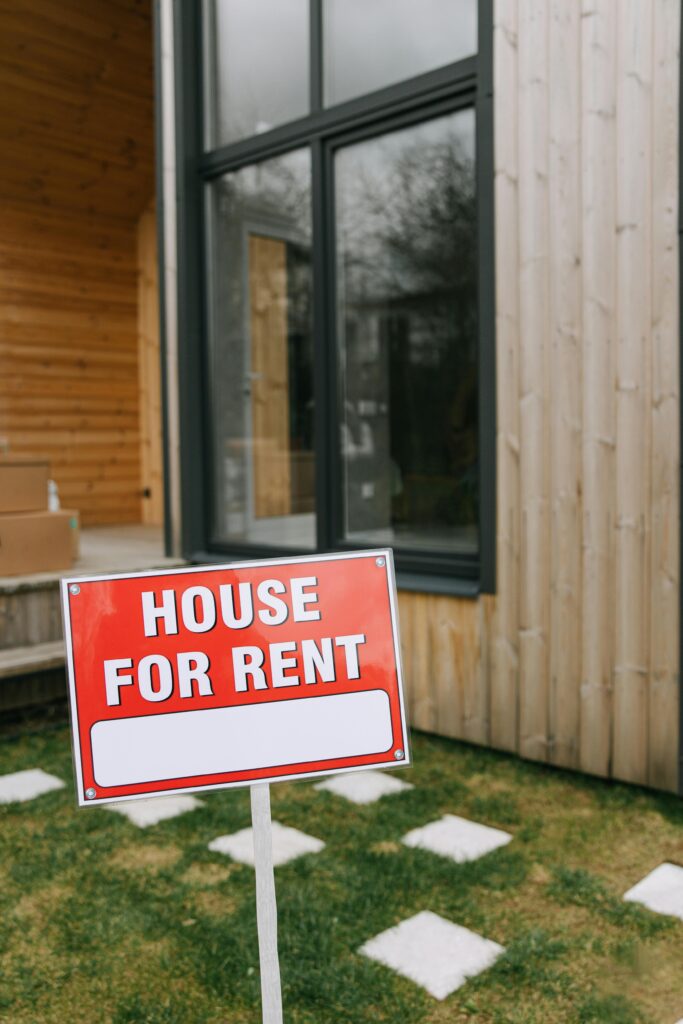
For many people, one of the biggest financial decisions they will ever make is whether to buy a home or continue renting. In 2026, changing economic conditions, rising property values, and evolving lifestyles have made this question even more important.
Some believe owning a home is the best way to build wealth and achieve financial security. Others argue that renting offers flexibility and fewer financial risks. The truth is that there is no universal answer. The smarter choice depends on your income, career plans, family situation, and long-term goals.
This guide explores the major differences between buying and renting in 2026 to help you make an informed decision.
H1-Understanding the Housing Market in 2026

The real estate market continues to evolve. Population growth, urban expansion, inflation, and changing interest rates all influence housing prices.
In many regions, property values have continued to rise due to limited housing supply and increasing demand. At the same time, rental prices have also increased, making long-term renting more expensive than it once was.
Because of these market conditions, buyers and renters must carefully evaluate both short-term affordability and long-term financial benefits.
H2-The Benefits of Buying a Home
1. Building Equity
One of the greatest advantages of buying property is equity.
Each mortgage payment gradually increases your ownership stake in the home. Instead of paying a landlord, you are investing in an asset that may increase in value over time.
After several years, homeowners often accumulate significant wealth through property appreciation and loan repayment.
2. Long-Term Investment Potential
Real estate has historically been one of the most reliable long-term investments.
Although markets can fluctuate, well-located properties often appreciate over time. Many homeowners benefit from rising property values while also enjoying a stable place to live.
Buying can provide both personal security and financial growth.
3. Freedom to Customize
Homeowners have complete control over their property.
They can renovate, remodel, paint walls, landscape gardens, or add extensions without seeking approval from a landlord. This freedom allows people to create a living space that matches their preferences and lifestyle.
4. Stable Monthly Payments
If you choose a fixed-rate mortgage, your monthly principal and interest payments remain relatively stable throughout the loan term.
Renters, however, may face annual rent increases that gradually raise their housing costs.
H3-The Challenges of Buying
While homeownership offers many advantages, it also comes with responsibilities.
High Initial Costs
Buying a home often requires a substantial down payment, legal fees, taxes, inspections, and closing costs.
These expenses can make purchasing difficult for first-time buyers.
Maintenance and Repairs
Homeowners are responsible for all maintenance expenses.
Roof repairs, plumbing problems, electrical issues, and property upkeep can become costly over time.
Less Flexibility
Selling a property takes time and involves transaction costs.
People who expect to relocate for work or personal reasons may find homeownership less convenient than renting.
H4-The Advantages of Renting
- 1. Greater Flexibility
Renting offers freedom to move without the complexities of selling a home.
This flexibility is valuable for students, young professionals, remote workers, and families who may relocate in the near future.
2. Lower Upfront Costs
Renters usually pay a security deposit and the first month’s rent, making it much easier to secure housing without a large financial commitment.
This allows individuals to preserve savings for investments, education, or business opportunities.
3. Minimal Maintenance Responsibilities
In most rental agreements, major repairs and property maintenance are handled by the landlord.
This reduces unexpected expenses and provides peace of mind.
4. Access to Premium Locations
Buying property in major urban centers may be financially impossible for many families.
Renting allows people to live in desirable neighborhoods close to workplaces, schools, and entertainment without paying the full purchase price of a home.
The Disadvantages of Renting
Despite its flexibility, renting also has limitations.
No Equity Growth
Monthly rent payments do not create ownership.
After years of renting, tenants may have spent a substantial amount of money without building a valuable asset.
Limited Personalization
Most landlords restrict renovations and structural changes.
Renters often have limited control over how they can modify their living space.
Rising Rental Costs
Rental prices often increase over time.
Without a fixed mortgage, tenants may face higher housing expenses every year.
Financial Comparison. Buying vs Renting
When comparing buying and renting, it is important to look beyond the monthly payment.
Buying Includes:
- Down payment
- Mortgage payments
- Property taxes
- Insurance
- Maintenance costs
- Legal fees
Renting Includes:
- Monthly rent
- Security deposit
- Utility bills
- Possible annual rent increases
Although renting may appear cheaper initially, buying often creates long-term wealth through equity and appreciation.
Who Should Buy in 2026 ?

Buying may be the smarter option if you:
- Plan to stay in one location for several years.
- Have stable employment and income.
- Can comfortably afford a down payment.
- Want to build long-term wealth.
- Value stability and ownership.
For many families, purchasing a home remains one of the best ways to secure their financial future.
Who Should Continue Renting?
Renting may be the better choice if you:
- Expect to relocate frequently.
- Prefer flexibility.
- Do not have sufficient savings for a down payment.
- Want to avoid maintenance responsibilities.
- Prefer investing your money elsewhere.
Many successful professionals choose renting because it aligns with their lifestyle and career goals.
The Importance of Personal Financial Planning
The decision between buying and renting should never be based solely on market trends.
Consider factors such as:
- Emergency savings
- Monthly income
- Debt obligations
- Family size
- Career stability
- Future life plans
A home should strengthen your financial position, not create unnecessary stress.
The Case for Buying a Home
Building Long-Term Wealth
One of the strongest reasons to buy property is the opportunity to build equity.
Every mortgage payment reduces your loan balance while increasing your ownership in the property. Over time, your home can become one of your most valuable financial assets.
Unlike rent payments, which benefit the property owner, mortgage payments contribute to your personal net worth.
Protection Against Rising Housing Costs
Rent prices often increase each year. Homeowners with fixed-rate mortgages generally enjoy more predictable monthly payments.
Although taxes and maintenance costs may change, the core mortgage payment usually remains stable, making budgeting easier.
Property Appreciation
Historically, real estate has increased in value over long periods. While markets may experience short-term fluctuations, well-located properties often appreciate steadily.
Buying in a growing neighborhood can generate significant wealth through capital gains.
The Hidden Costs of Homeownership
Many first-time buyers focus only on the mortgage payment and overlook additional expenses.
Homeowners are responsible for:
- Property taxes
- Home insurance
- Repairs and maintenance
- Landscaping
- Utility upgrades
- Renovation costs
Unexpected repairs, such as roof damage or plumbing issues, can create substantial financial pressure.
Buying a home requires not only a down payment but also an emergency fund for ongoing maintenance.
Why Renting Can Be a Smart Choice
Flexibility and Mobility
Modern careers often require relocation. Remote work, international opportunities, and changing industries make flexibility valuable.
Renting allows people to move with relatively little financial risk.
If a better job opportunity appears in another city, renters can relocate far more easily than homeowners.
Lower Upfront Investment
Purchasing a home requires a significant amount of capital. Down payments, legal fees, inspections, and closing costs can consume years of savings.
Renting typically requires only a security deposit and the first month’s payment.
This allows individuals to invest their savings in businesses, education, retirement accounts, or other opportunities.
Reduced Responsibility
Landlords usually handle major maintenance issues, including structural repairs, plumbing, and exterior maintenance.
This reduces both stress and unexpected expenses for tenants.
Lifestyle Considerations
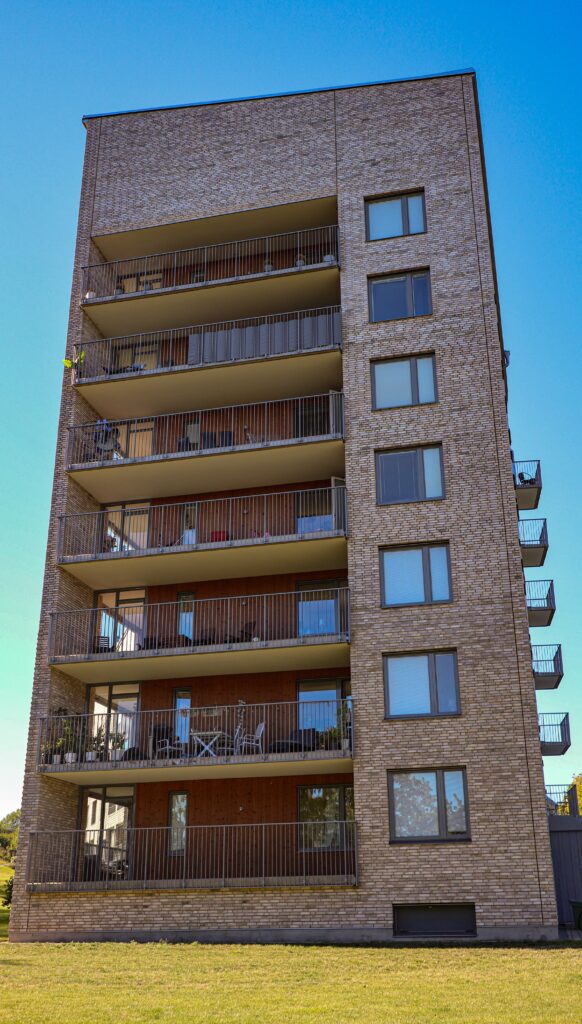
Financial calculations are important, but lifestyle preferences matter just as much.
Buying May Be Better If:
- You plan to stay in one place for at least five years.
- You want stability for your family.
- You enjoy customizing your living space.
- You see property ownership as part of your long-term financial strategy.
Renting May Be Better If:
- Your career requires mobility.
- You are unsure where you want to settle.
- You value convenience over ownership.
- You want to avoid maintenance responsibilities.
The right housing choice should support the life you want to build.
Buying vs Rent-ing . The Investment Perspective
Many people describe buying a home as an investment, but this is only partly true.
A primary residence provides value through appreciation and equity, but it also generates expenses.
Renting can actually be financially beneficial if the money saved is invested wisely.
For example, someone who rents an affordable apartment and consistently invests the difference into diversified assets may build substantial wealth over time.
The key factor is financial discipline.
The Emotional Side of Homeownership
Owning a home provides something that cannot always be measured financially.
Many people value the sense of permanence and security that comes from owning property. A home becomes a place where families grow, memories are created, and personal dreams take shape.
For others, the freedom to travel and experience new places outweighs the emotional attachment of ownership.
Neither perspective is wrong.
How Economic Conditions Affect the Decision in 2026
Economic conditions influence both buyers and renters.
Factors such as inflation, employment growth, housing supply, and interest rates all shape the market.
In areas where property prices continue to rise rapidly, buying earlier may protect against future affordability challenges.
In locations with uncertain economic growth, renting may provide greater financial flexibility while waiting for better opportunities.
Understanding your local housing market is essential before making a decision.
Questions to Ask Yourself Before Choosing
Before deciding whether to buy or rent, consider these questions:
- Do I have stable employment?
- Can I comfortably afford a down payment?
- How long do I plan to stay in this location?
- Do I have savings for emergencies?
- Am I financially prepared for maintenance costs?
- Do I value flexibility or stability more?
Your answers will often reveal which option fits your current stage of life.
The Smartest Strategy for 2026
Instead of viewing buying and renting as competing choices, think of them as tools.
Buying is often the better tool for building long-term stability and wealth.
Renting is often the better tool for maintaining flexibility and reducing financial commitments.
Smart financial planning means choosing the option that supports your goals rather than following popular opinion.
Final Thoughts
So, is buying or renting smarter in 2026?
The answer depends on your personal circumstances.
Buying offers long-term wealth creation, stability, and the opportunity to build equity. It is often the better choice for people planning to settle down and invest in their future.
Renting provides flexibility, lower upfront costs, and fewer responsibilities. It can be the ideal solution for individuals whose careers or lifestyles require mobility.
Rather than asking which option is universally better, ask which one best supports your financial goals and future plans.
A smart housing decision is not simply about owning property or paying rent—it is about choosing the path that creates the greatest opportunity for long-term financial success and personal happiness.
Why This Decision Matters More Than Ever

Housing is often the largest monthly expense for individuals and families. Making the wrong decision can affect your savings, investments, and overall financial health for years.
Many people think buying is always the better option because homeowners build equity. Others believe renting is smarter because it avoids debt and maintenance costs.
The reality is more balanced. Your career, location, family plans, and financial discipline all play a role.