
Real Estate License. Your Complete Guide to Starting a Successful Career
Getting a real estate license is the first step toward building a successful career in the property industry. A real estate license allows you to legally buy, sell, and represent clients in real estate transactions.

Real Estate License. Your Complete Guide to Starting a Successful Career
Getting a Real Estate License is really important for people who want to work in property sales, real estate investment and housing services. If you want to help people find their dream homes or if you want to help Sellers-Market their properties you need to get a Real Estate License. This is usually the thing you need to do to start a business in the real estate industry.
The real estate market is always changing, so people with a Real Estate License are always in demand. They know a lot about the law. Can Handle Complicated Transactions.
To become a real estate professional you have to be dedicated and willing to learn. You need to understand how to get a license what the benefits are and what your responsibilities will be. You also need to know what kind of career opportunities are available. If you know all these things you can make a decision, about whether or not you want to work in the real estate industry. It is a rewarding job and many people really like it.
Requirements for a Real Estate License
Before applying for a real estate license,
you must meet your state’s education and eligibility requirements.
A real estate license is like a permission slip that lets you buy, sell or rent properties legally in a certain area. Without it you usually can’t get paid to help people buy or sell homes.
Getting a license helps keep people safe by making sure real estate agents know the rules about buying and selling property being honest and making deals. This makes clients feel more comfortable working with agents and brokers.
Having a license is important for agents and brokers too. It shows that they’re trustworthy and know what they’re doing. It means they’ve learned what they need to know and understand the laws that come with buying and selling property. A real estate license proves that you’re a pro.
A real estate license shows you have done your homework. It tells clients you are serious about being an agent. The license also tells you are on top of property laws. You also understand what is right and wrong, in the business. You learn about contracts. You learn about housing too.
Professional Recognition
Holding a Real Estate License provides recognition within the industry. Clients often prefer working with licensed professionals because they trust their expertise and regulatory compliance.
Legal Authority
A license grants legal authority to facilitate transactions, negotiate agreements, and earn commissions for real estate services.
Career Opportunities
Licensed professionals gain access to a wide range of employment opportunities, including residential sales, commercial real estate, property management, and real estate consulting.
Steps to Obtain a Real Estate License
The licensing process varies by region, but most jurisdictions follow a similar framework.
Complete Pre-Licensing Education
Prospective agents typically must complete an approved educational program covering real estate principles, property law, ethics, contracts, financing, and agency relationships.
These courses provide foundational knowledge necessary for understanding real-world transactions and regulatory requirements.
How to Get a Real Estate License
The process of obtaining a real estate license includes completing coursework, passing the exam, and submitting your application.
Pass the Licensing Examination
When you finish the coursework you have to pass a licensing examination for real estate. The licensing examination for estate generally includes questions about state regulations for real estate real estate practices, legal requirements for real estate and professional responsibilities of real estate agents.
To do well on the licensing examination for estate preparation is very important because the licensing examination, for real estate is designed to test both the theoretical knowledge of real estate and the practical
understanding of real estate.
Submit an Application

Successful candidates usually submit an application to the appropriate regulatory authority. This process may involve background checks, identity verification, and payment of licensing fees.
Join a Brokerage
In many locations, newly licensed agents must work under the supervision of a licensed broker before operating independently. Brokerages provide mentorship, training, and access to valuable resources.
Skills Needed for Success
Obtaining a license is only the beginning. Successful real estate professionals develop a variety of skills that help them serve clients effectively.
Communication Skills
Real estate transactions involve constant interaction with buyers, sellers, lenders, inspectors, and attorneys. Clear communication helps prevent misunderstandings and strengthens client relationships.
Negotiation Abilities
Negotiation is a key aspect of the profession. Skilled negotiators help clients achieve favorable terms while maintaining positive relationships among all parties involved.
Marketing Expertise
Modern real estate professionals rely heavily on digital marketing, social media, online listings, and content creation to attract potential clients.
Time Management
Managing multiple clients, property showings, contracts, and deadlines requires excellent organizational skills and efficient time management.
Benefits of Holding a Real Estate License
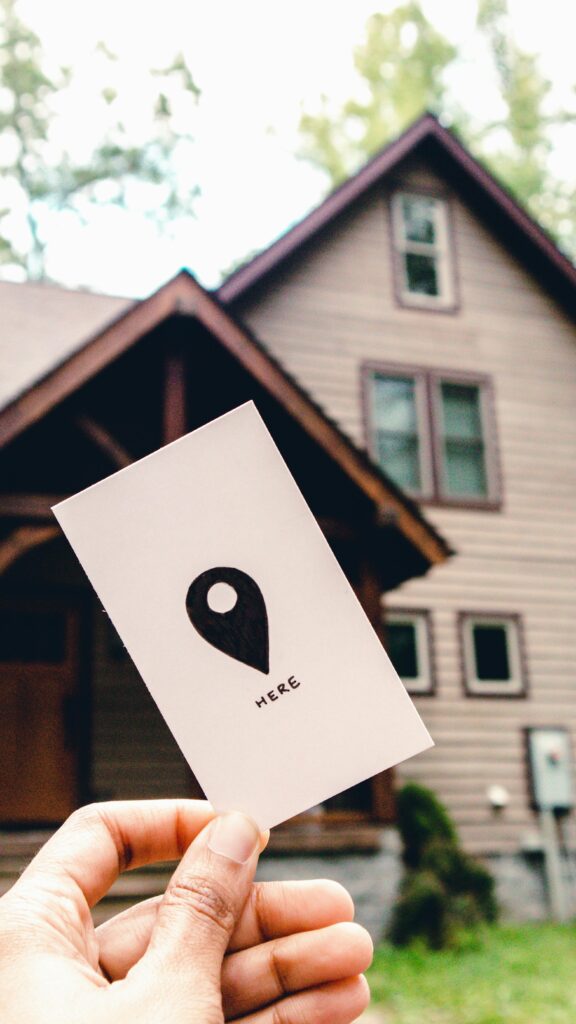
A Real Estate License offers numerous advantages beyond legal compliance.
Income Potential
Real estate professionals often earn commissions based on successful transactions. As experience and reputation grow, earning potential may increase significantly.
Flexible Schedule
Many agents enjoy the flexibility of managing their own schedules. While the profession can involve long hours, it often provides greater independence compared to traditional office jobs.
Personal Growth
Working in real estate develops valuable skills such as communication, leadership, sales, and problem-solving. These abilities can benefit professionals throughout their careers.
Networking Opportunities
Real estate professionals regularly interact with business owners, investors, contractors, lenders, and community leaders, creating valuable networking opportunities.
Challenges of the Real Estate Profession
While rewarding, real estate can also be demanding.
Market Fluctuations
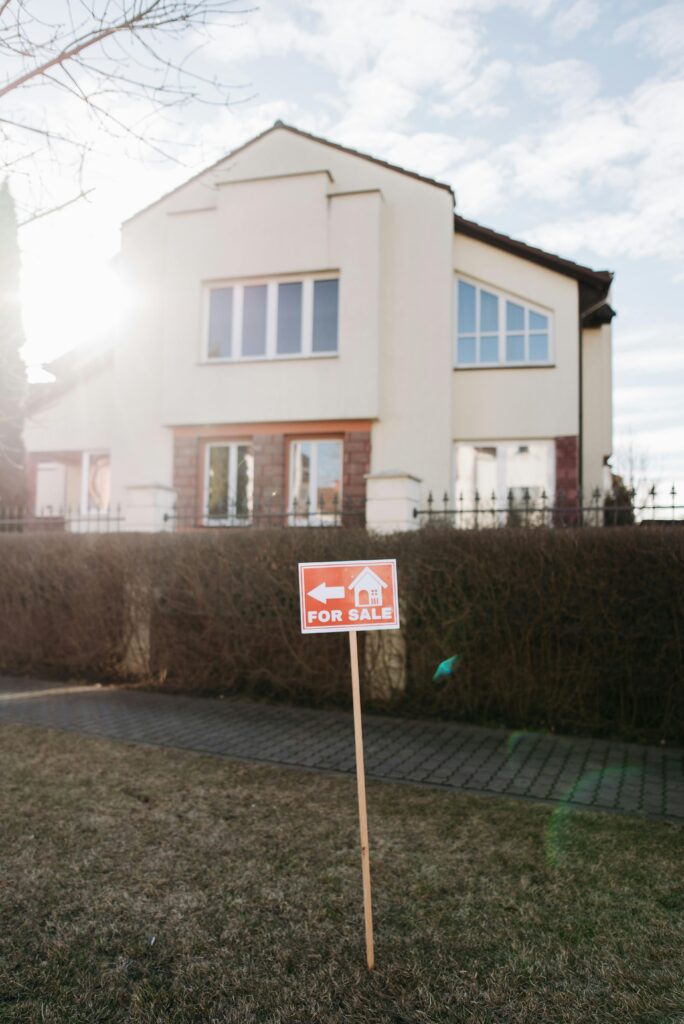
Property markets experience cycles of growth and decline. Economic conditions, interest rates, and local factors can influence transaction volume.
Competition
Many regions have highly competitive real estate markets. Building a strong reputation and client base requires consistent effort and dedication.
Irregular Income
Commission-based earnings can fluctuate, particularly during the early stages of a career. Financial planning is essential for long-term success.
Continuing Education
Many licensing authorities require ongoing education to maintain professional competency and stay informed about legal and industry changes.
Technology and Modern Real Estate
The real estate industry has changed a lot because of technology.
Now we have things like tours of properties, listings that are online systems to manage relationships with customers and platforms for digital marketing. These things have changed how real estate agents work with their clients.
People who are looking to buy a house can use their phones to find properties away. They can even sign documents electronically which makes the whole process faster.
The real estate industry is also using intelligence to look at trends in the market figure out how much properties are worth and make things better for customers. Real estate agents who use technology a lot are often better at their jobs, than agents. The real estate industry and technology are really connected now. Real estate agents and technology are a part of the industry.
Building a Strong Real Estate Career
Success in real estate requires more than obtaining a license. Professionals must focus on building trust, delivering exceptional service, and maintaining ethical standards.
Developing a personal brand can help agents stand out in competitive markets. Consistent communication, professional marketing, and community involvement contribute to long-term success.
Client referrals are particularly valuable. Satisfied clients often recommend trusted agents to friends, family members, and colleagues, helping generate ongoing business opportunities.
Common Career Paths for Licensed Professionals
A Real Estate License can open doors to several specialized career paths.
Residential Real Estate
Residential agents assist clients in buying and selling homes, condominiums, and residential properties.
Commercial Real Estate
Commercial professionals focus on office buildings, retail centers, industrial properties, and investment opportunities.
Property Management
Property managers oversee rental properties, handle tenant relations, and coordinate maintenance activities.
Real Estate Investment
Many licensed professionals use their industry knowledge to build personal investment portfolios and identify profitable opportunities.
Real Estate Brokerage
Experienced agents may eventually become brokers, allowing them to manage their own firms and supervise other agents.
The Future of Real Estate Licensing
People who buy and sell properties have changing ideas about what they want. Because of this real estate agents will keep being very important when people are buying or selling properties. Even though people can get a lot of information from the internet they still want real estate agents to help them and give them advice. They also want real estate agents who’re good at negotiating and who will take care of their personal needs.
In the future people who work in estate will probably need to be good at using the internet to advertise properties and at looking at numbers to understand what is happening in the market. They will also need to know about technologies that are coming out. Things like making properties more environmentally friendly homes that are controlled by computers and buying and selling properties from away may also change the way the real estate industry works.
The government agencies that make the rules for real estate agents are expected to keep making sure that agents are licensed. This is so that people who are buying and selling properties are protected and so that real estate agents are responsible, for what they do. Real estate agents will still need to follow the rules and get licensed to make sure they are doing their job correctly and taking care of people who are buying and selling real estate properties.
Conclusion–
A Real Estate License is more than a legal requirement—it is the foundation of a professional career in one of the world’s most dynamic industries. By obtaining proper education, developing essential skills, and maintaining ethical standards, aspiring professionals can build successful and rewarding careers.
Whether your goal is helping families find homes, assisting investors with property acquisitions, or eventually operating your own brokerage, a Real Estate License provides the knowledge, credibility, and opportunities needed to succeed. With dedication, continuous learning, and a commitment to client service, licensed real estate professionals can achieve long-term growth and make a meaningful impact in their communities.