
The automotive industry is rapidly evolving, and one of the biggest questions consumers ask today is whether electric vehicles (EVs) and hybrid cars represent the future of transportation. As one of the world’s largest automakers, Toyota has played a major role in shaping this transition. Known for pioneering hybrid technology with the Toyota Prius, the company is now expanding its lineup of hybrid, plug-in hybrid, and fully electric vehicles.
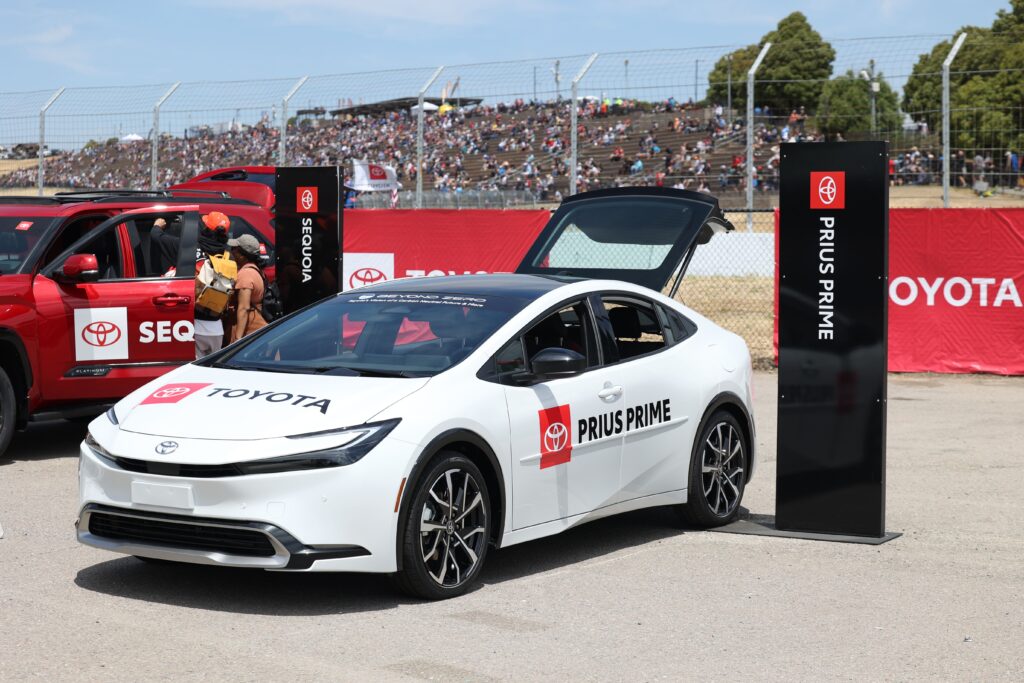
Toyota’s Electric and Hybrid Lineup. They the Future of Driving?
Consumers searching for information about Toyota’s future EV and hybrid strategy are often looking to answer two important questions: Are Toyota EV and hybrid cars worth buying today, and what can drivers expect from Toyota’s upcoming vehicle technologies? Understanding Toyota’s plans for electrification can help buyers make smarter long-term purchasing decisions.
Toyota’s Leadership in Hybrid Technology
Toyota transformed the automotive industry when it introduced the Prius in the late 1990s. The Prius became the world’s first mass-produced hybrid vehicle and demonstrated that fuel-efficient transportation could be practical and reliable.
Today, Toyota offers hybrid versions of many popular models, including:
- Toyota Corolla Hybrid
- Toyota Camry Hybrid
- Toyota RAV4 Hybrid
- Toyota Highlander Hybrid
- Toyota Crown Hybrid
This extensive hybrid lineup has helped Toyota establish itself as a leader in fuel-efficient transportation.
Why Toyota Continues to Invest in Hybrids
While some automakers focus entirely on electric vehicles, Toyota believes multiple technologies are necessary to meet global transportation needs. Hybrid vehicles provide improved fuel efficiency without requiring charging infrastructure, making them attractive to millions of drivers worldwide.
Toyota’s Growing Electric Vehicle Strategy
Toyota has increased investment in battery-electric vehicles as demand for EVs continues to rise globally.
The company has introduced fully electric models and announced plans to expand its EV portfolio significantly during the coming years.
Current Toyota EV Models
Toyota’s electric vehicle lineup currently includes models such as:
- Toyota bZ4X
- Lexus RZ
- Future battery-electric crossovers and SUVs
These vehicles are designed to compete with growing EV offerings from other major manufacturers.
Table of Contents
Future EV Expansion
Toyota plans to introduce new electric vehicle platforms featuring:
- Longer driving ranges
- Faster charging speeds
- Improved battery performance
- Advanced software systems
- Enhanced energy efficiency
The company is investing billions of dollars to accelerate EV development and production.
The Role of Hybrid Vehicles in Toyota’s Future
Many experts expected hybrids to disappear as EV adoption increased. However, Toyota sees hybrids as a critical part of the future transportation landscape.
Why Hybrids Remain Popular
Hybrid vehicles offer several advantages:
- Excellent fuel economy
- Lower emissions
- No charging requirements
- Familiar driving experience
- Reduced operating costs
For many consumers, hybrids provide a practical bridge between gasoline vehicles and fully electric transportation.
Hybrid Demand Continues to Grow
As fuel prices fluctuate and environmental concerns increase, many buyers are choosing hybrid vehicles as an affordable and convenient alternative to traditional gasoline-powered cars.
Toyota’s continued investment in hybrid technology reflects this growing demand.
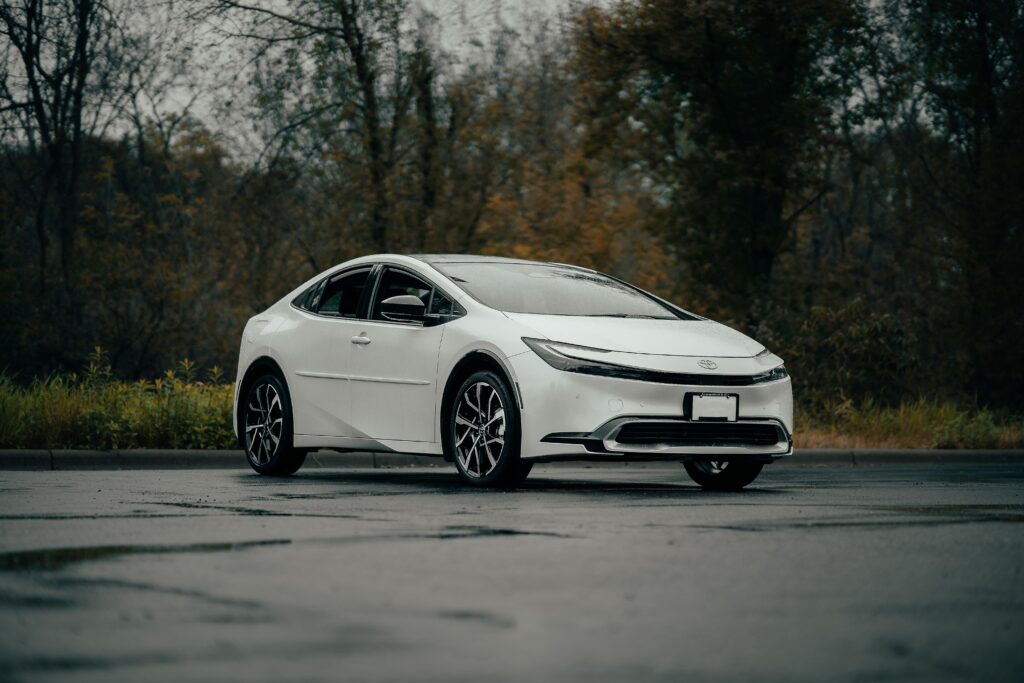
Toyota’s Battery Technology Innovations
Battery development remains one of Toyota’s most important priorities.
Next-Generation Lithium-Ion Batteries
Toyota is developing advanced battery systems designed to improve:
- Charging speed
- Energy density
- Driving range
- Durability
- Affordability
These improvements could make future EVs more attractive to mainstream consumers.
Solid-State Battery Technology
One of Toyota’s most anticipated innovations is solid-state battery technology.
Potential benefits include:
- Significantly faster charging
- Increased driving range
- Greater energy efficiency
- Improved safety
- Longer battery lifespan
If commercialized successfully, solid-state batteries could reshape the EV market and strengthen Toyota’s competitive position.
Toyota’s Sustainability Goals
Toyota has committed to reducing vehicle emissions and supporting sustainable transportation.
The company’s environmental strategy includes:
- Expanding hybrid offerings
- Increasing EV production
- Investing in battery research
- Improving manufacturing efficiency
- Exploring hydrogen fuel-cell technology
Toyota believes a diverse approach to electrification can help reduce global emissions more effectively.
Toyota EV vs Hybrid: Which Should You Buy?
Many consumers wonder whether they should choose a Toyota hybrid or wait for future EV models.
Choose a Toyota Hybrid If:
- You want excellent fuel economy.
- Charging access is limited.
- You frequently travel long distances.
- You prefer lower upfront costs.
Choose a Toyota EV If:
- You have convenient charging access.
- You want zero tailpipe emissions.
- You primarily drive in urban environments.
- You want the latest automotive technology.
Both options offer significant benefits depending on your driving habits and lifestyle.
Challenges Facing Toyota’s EV Future
Despite its success, Toyota faces several challenges.
Increasing Competition
The EV market continues to become more competitive as manufacturers expand their electric vehicle lineups.
Charging Infrastructure
Many regions still lack sufficient public charging stations, limiting EV adoption for some consumers.
Battery Supply Chains
Securing battery materials and expanding production capacity remain critical priorities for all automakers.
Toyota’s long-term success will depend on its ability to address these challenges while continuing to innovate.
What Will Toyota Cars Look Like in the Future?
Future Toyota vehicles are expected to feature:
- Longer battery range
- Faster charging technology
- Advanced driver-assistance systems
- Enhanced connectivity
- Artificial intelligence integration
- Improved sustainability
Toyota aims to combine reliability, efficiency, and innovation to meet evolving consumer expectations.
Are Toyota EV and Hybrid Cars the Future?
The future of transportation is unlikely to depend on a single technology.
Toyota believes hybrid vehicles, plug-in hybrids, battery-electric vehicles, and hydrogen-powered cars can all play important roles in reducing emissions and improving mobility.
Hybrid vehicles are likely to remain highly relevant during the transition to full electrification, while EV adoption will continue to accelerate as battery technology and charging infrastructure improve.
For consumers seeking fuel efficiency today and advanced technology tomorrow, Toyota’s growing lineup of hybrid and electric vehicles offers compelling options.
Final Thoughts
Toyota’s future strategy focuses on providing consumers with multiple pathways toward cleaner transportation. By continuing to develop hybrid systems while expanding electric vehicle production and investing in next-generation battery technologies, Toyota is positioning itself for long-term success in a rapidly changing automotive market.
Whether you’re considering a Toyota hybrid today or waiting for future EV innovations, the company’s commitment to efficiency, reliability, and sustainability makes it one of the most important brands to watch in the coming decade.
Frequently Asked Questions (FAQ)
Are Toyota hybrid cars worth buying in 2026?
Yes. Toyota hybrid vehicles offer excellent fuel economy, proven reliability, lower emissions, and strong resale value.
Is Toyota focusing on EVs or hybrids?
Toyota is investing in both EV and hybrid technologies, believing multiple solutions are needed to meet global transportation demands.
What is Toyota’s future battery technology?
Toyota is developing next-generation lithium-ion batteries and solid-state batteries that may offer faster charging and longer driving ranges.
Will Toyota stop making hybrid cars?
No. Toyota continues to expand its hybrid lineup and views hybrid technology as an important part of its future strategy.
Which Toyota EV is available today?
The Toyota bZ4X is Toyota’s primary fully electric vehicle currently available in many markets.
Are Toyota EVs reliable?
Toyota’s reputation for reliability extends to its electric vehicle development, although the EV lineup is still relatively new compared to its hybrid vehicles.
What are the advantages of Toyota hybrids?
Benefits include better fuel economy, lower emissions, reduced fuel costs, and no need for external charging.
Should I buy a Toyota EV or hybrid?
Choose a hybrid if you want convenience and fuel savings without charging requirements. Choose an EV if you want zero-emission driving and have access to charging infrastructure.